By: Declan Flavin | Follow me on Twitter / X @FlavinDeclan
Fans often focus on the achievements at the major league level, but what you see on television comes from the grind demanded of athletes in the minor leagues. It is a rare honor to play under a major league affiliate in any form, and players learn that quickly. The nuances of moving from level to level reveal themselves early and often to players on the rise.
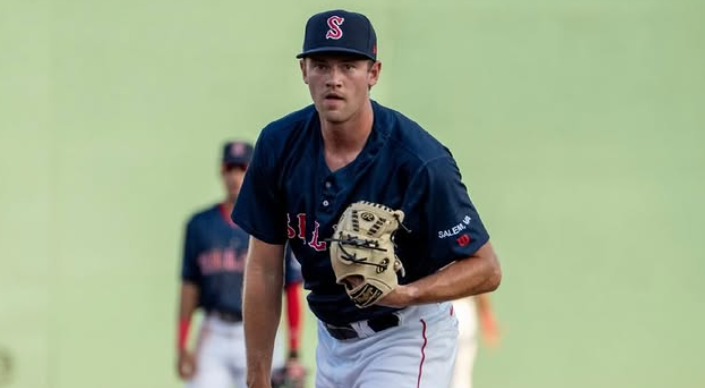
One player living that reality is Kent State graduate Calvin Bickerstaff, who joined the Salem Red Sox a little over a year ago. “It is an absolute grind. You play six days a week for five months, and you only have Mondays off,” Bickerstaff said.
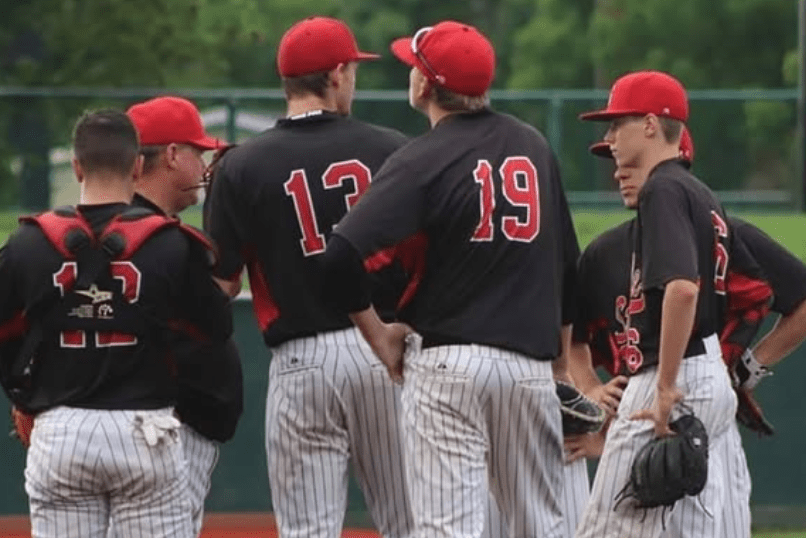
Bickerstaff started at an early age with swings off the tee, and the competitive drive naturally followed. “Baseball was the only sport I didn’t want to lose at. I just wanted to be better than everybody else.” Before long, he was starting a game on the mound at age eight and heading to pitching lessons.
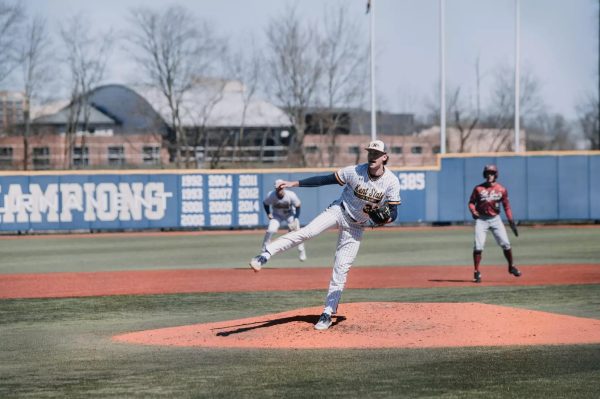
That early commitment eventually earned him a spot at Kent State, where the game demanded even more. It was there that he began to confront the transitional grind of daily baseball life, a process that required both resilience and confidence.
As with any developing athlete, bumps in the road came naturally at the collegiate level. With Kent State, he first had to adjust from being a starter in high school. Three years in, he adjusted back to a rotational role after a long bullpen stint. Each change tested his adaptability and offered an early preview of the constant adjustments that would follow in professional ball.
“Over the past year, I think I’ve been home for maybe three weeks total,” he said.
Single-A brings both a physical and mental workload, especially for bullpen arms. “Being a bullpen arm, you’re locked in every single day other than the day after you pitch,” Bickerstaff said. Even in the lower levels, the on-call nature of the role forces pitchers to stay engaged and ready at a moment’s notice.
The challenges also extend beyond the diamond. Road trips drain energy, meals are rarely ideal, and long nights on the bus become routine. “Sometimes you get in at midnight and have to settle for McDonald’s, but you just put the headphones in and go,” Bickerstaff said. For these athletes, the long rides are simply another part of the process of improving and getting better.
On the mound, the difference between college and Single-A became clear in how mistakes were punished. “You can’t make as many mistakes here as you can in college… those hanging sliders get hit a lot more,” he said.
Pitchers might still get away with missing slightly off target, but glaring mistakes are no longer forgiven. And as Bickerstaff recognizes, each higher level will only close that margin further.
All of these challenges, from bullpen demands to travel to sharper competition, illustrate the difference between college ball and Single-A life.
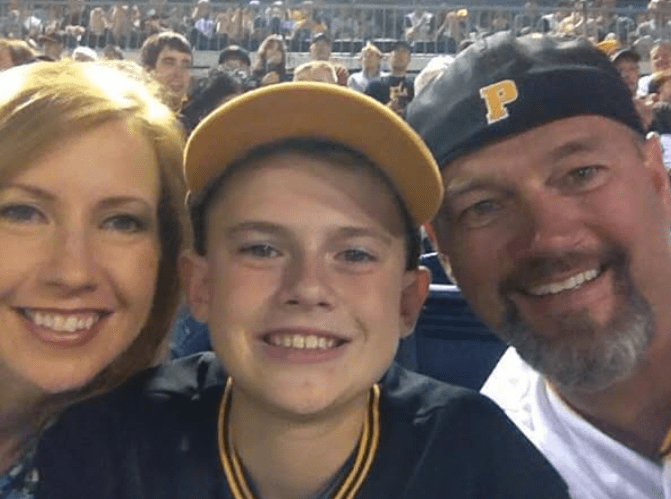
Through it all, what keeps Bickerstaff grounded is simple. “The love of the game and the support my parents give me drives me the most.” That motivation has him already looking ahead to finishing the season strong, improving during the offseason, and preparing for an eventual climb up the professional ladder.
For fans, Bickerstaff’s story is a window into what life looks like at the foundation of the minor leagues.

 Flavin Media
Leave a comment